Gelatin serves as a foundational excipient in numerous drug delivery systems. Its unique thermoreversible gelling properties, film-forming ability, and biocompatibility make it indispensable for producing hard and soft capsule shells. These capsules offer precise dosage, protect sensitive active ingredients from light and moisture, and can be engineered for targeted or delayed release.
Beyond capsules, gelatin acts as a stabilizer in vaccines, a matrix for implantable devices, and a hemostatic agent in surgical sponges. The purity and consistency of the gelatin directly influence the drug's stability, bioavailability, and patient safety. This is where a supplier's commitment to pharmaceutical-grade standards becomes critical for formulators seeking reliable performance and regulatory compliance.
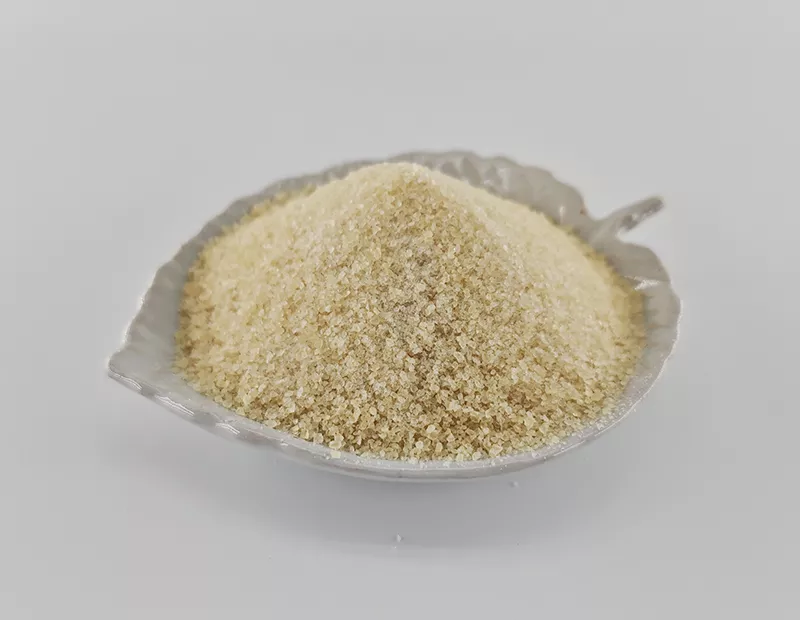
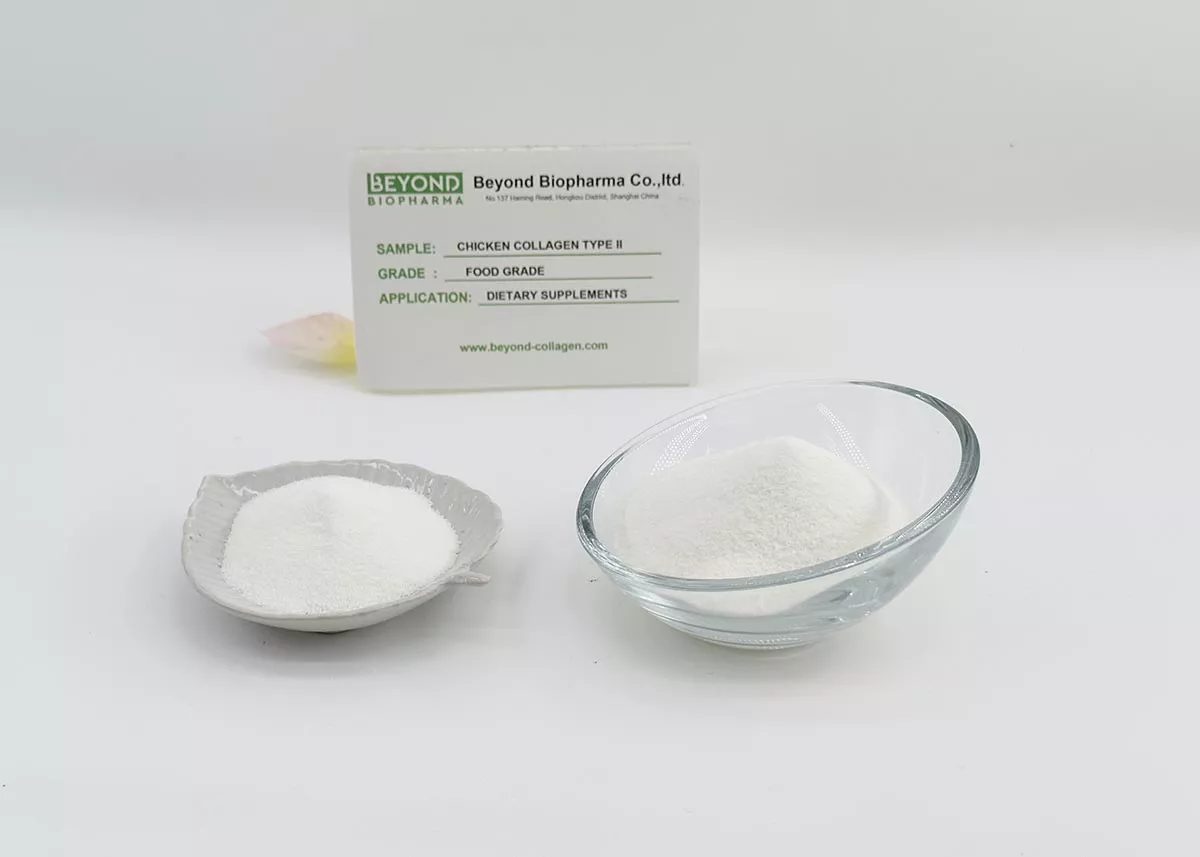
The nutraceutical market demands gelatin that is not only effective but also aligns with clean-label trends. Superior quality starts with transparent sourcing—knowing the origin and processing of the collagen. It requires rigorous control over parameters like bloom strength, which affects texture in gummies, and viscosity, crucial for manufacturing efficiency.
A high-quality plain gelatin powder should have a neutral odor, consistent clarity, and excellent solubility. It must be free from unwanted additives, allergens (when specified), and maintain low microbial counts. For brands, this translates to a versatile ingredient that can build superior texture in protein bars, create clear hydrogels for supplements, and provide the collagen peptides sought after for wellness products, all while supporting a brand's quality narrative.
Industrial applications, from photography to cosmetics, present unique challenges. The gelatin must perform consistently under specific thermal, mechanical, and chemical conditions. For instance, gelatin used in coating applications requires precise viscosity and drying characteristics, while edible film production needs specific film strength and flexibility.
Simply providing a product is insufficient. A valuable partner offers deep technical expertise—understanding how gelatin's molecular weight distribution affects gelation kinetics or how pH adjustment can modify its isoelectric point for specific interactions. This expertise helps clients troubleshoot production issues, optimize formulations, and innovate new applications, turning a raw material into a key component of their competitive advantage.
| Key Specification | Typical Range (Pharmaceutical Grade) | Primary Impact on Application | Testing Standard |
|---|---|---|---|
| Bloom Strength | 80 - 300 Bloom | Determines gel firmness and melting point; critical for capsule integrity and confectionery texture. | USP <1081>, ISO 9665 |
| Viscosity | 15 - 75 mPa·s (6.67% solution) | Affects flow during processing, coating uniformity, and dipping performance for capsules. | USP <911> |
| Isoelectric Point (IEP) | 4.8 - 5.2 (Type A) / 7.0 - 9.0 (Type B) | Governs electrostatic interactions with other ingredients, influencing stability in complex formulations. | Isoelectric Focusing |
| Ash Content | ≤ 2.0% | Indicator of mineral impurities; lower ash often correlates with higher purity and clarity. | USP <281> |
| Microbial Total Plate Count | ≤ 1000 CFU/g | Essential for product safety and shelf-life, especially in sterile or oral dosage forms. | USP <61>, <62> |
| Heavy Metals (as Pb) | ≤ 50 ppm | Critical safety parameter ensuring compliance with global pharmacopeial limits for patient safety. | USP <231>, ICP-MS |
Pharmaceutical-grade gelatin, like our product, undergoes significantly more rigorous testing and purification processes. It must meet strict pharmacopeial standards for purity, heavy metal content, microbial limits, and endotoxin levels. This ensures batch-to-batch consistency and safety for sensitive applications like capsule shells, wound dressings, and injectable formulations, where impurities could cause adverse reactions.
Quality begins at the source. We select raw materials from controlled, traceable origins, often from regions with stringent animal health regulations. The collagen source (typically bovine or porcine) and its pre-processing history directly impact the gelatin's bloom strength, viscosity, clarity, and amino acid profile. Consistent, high-welfare sourcing is a cornerstone of our product's reliable performance.
Yes, clinical studies suggest that hydrolyzed collagen peptides, derived from gelatin, can provide the building blocks for cartilage and bone matrix. Regular intake may support collagen synthesis in the body, potentially aiding joint comfort and mobility. Our gelatin powder offers a pure, unflavored base for incorporating these beneficial amino acids (glycine, proline, hydroxyproline) into functional foods and nutraceuticals.
Key specifications include Bloom strength (gelling power), viscosity, particle size distribution, pH, moisture content, and microbiological quality. The required parameters depend on the application: a high Bloom strength is crucial for gummy confections, while specific viscosity is vital for capsule dipping solutions. Our technical team provides detailed specifications and supports customers in selecting the optimal grade for their process.
We employ controlled manufacturing and packaging environments to prevent moisture uptake and microbial contamination. Our gelatin is packaged in multi-layer, moisture-resistant bags with airtight seals. Stability studies under various ICH guidelines confirm a long shelf-life when stored in cool, dry conditions. This commitment to stability protects our clients' supply chain and final product integrity.

+86 18657345785
NO.137 Haining Road, Hongkou District, Shanghai China


 English EN
 中国 CN
中国 CN