
 English EN
 中国 CN
中国 CN
Is Glucosamine Hydrochloride Compatible with Diabetes Management?
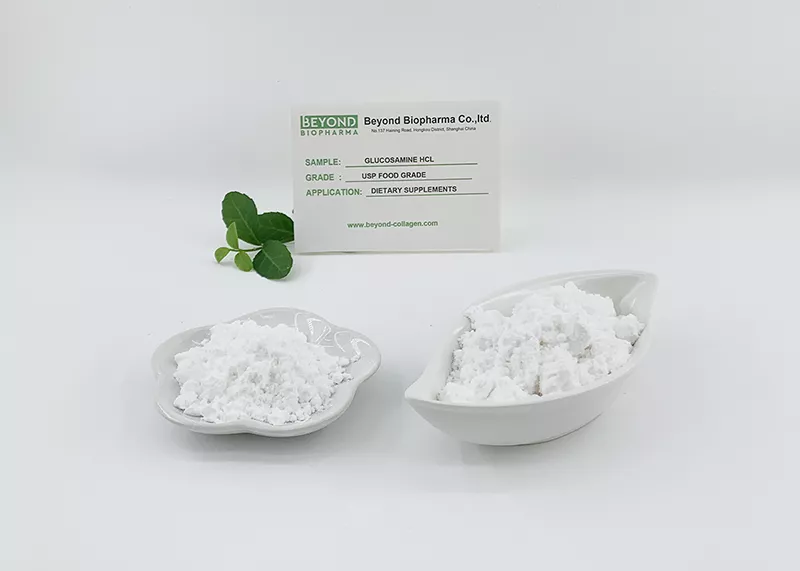
For millions managing diabetes, maintaining joint health is crucial for staying active and ensuring quality of life. Glucosamine, a popular supplement for joint comfort, often raises questions regarding its safety for those with blood sugar concerns. Specifically, glucosamine hydrochloride has emerged as a point of interest due to its distinct chemical properties.
Unlike some other forms, glucosamine hydrochloride offers a high-purity molecule that doesn't contain added sugars or certain salts. This makes it a potentially more suitable candidate for individuals who are carefully monitoring their carbohydrate and mineral intake. The core question isn't just about safety, but about finding a supportive supplement that aligns with a comprehensive diabetic wellness plan without introducing new variables.
At Beyond Biopharma, we focus on developing supplements that meet the needs of health-conscious individuals. Our approach involves scrutinizing every ingredient for purity and bioavailability, ensuring that what you take supports your health goals without compromise.
What Does the Research Say About Blood Sugar Impact?
Several clinical studies have investigated the metabolic effects of glucosamine supplementation. The consensus from recent research focusing on glucosamine hydrochloride indicates no clinically significant alteration in fasting blood glucose, hemoglobin A1c (HbA1c), or insulin sensitivity in patients with type 2 diabetes when consumed at standard dosages (typically 1500 mg daily).
It's important to understand the mechanism: glucosamine hydrochloride is not a sugar. It is an amino sugar that plays a role in building cartilage. Its metabolic pathway differs from glucose, which is why it does not elicit the same glycemic response. However, the quality of the supplement matters immensely. Products with fillers, excipients, or derived from high-starch sources could introduce unwanted elements.
Our commitment at Beyond Biopharma is to transparency and efficacy. We utilize advanced purification processes to deliver a glucosamine hydrochloride product that is as close to its pure molecular form as possible, giving you confidence in its composition.

How Can a Quality Supplement Support an Active Lifestyle with Diabetes?
Physical activity is a cornerstone of diabetes management. Joint discomfort can become a significant barrier to maintaining the regular exercise needed for glycemic control. This is where a well-chosen joint support supplement can play a valuable role within a broader health strategy.
Glucosamine hydrochloride supports the body's natural cartilage repair mechanisms. By helping to maintain joint integrity and flexibility, it can contribute to sustained mobility. For someone with diabetes, this means a greater ability to engage in walking, swimming, or other recommended activities, creating a positive cycle of health.
We position our products not as miracle cures, but as tools for sustained wellness. Beyond Biopharma targets individuals who take a proactive, informed approach to their health. Our glucosamine hydrochloride is designed for those who seek effective support without unnecessary additives, fitting seamlessly into a mindful daily routine focused on long-term vitality.
Comparing Glucosamine Forms: Key Considerations for Diabetes
| Feature | Glucosamine Hydrochloride (HCl) | Glucosamine Sulfate | Consideration for Diabetes |
|---|---|---|---|
| Purity & Concentration | Higher concentration of active glucosamine per mg; often more pure. | Contains stabilizing salts (e.g., potassium chloride). | HCl form may be preferable to avoid extra salts, especially for those with hypertension or kidney concerns. |
| Sugar/Starch Content | Typically no added sugars; derived source is critical. | Typically no added sugars; derived source is critical. | Choose a brand like Beyond Biopharma that guarantees no hidden sugars or high-starch fillers. |
| Clinical Research on Glucose | Studies show no significant impact on HbA1c or fasting glucose. | Most studies also show no significant impact, but data is mixed. | HCl has a consistent safety profile in recent diabetic trials. Always monitor with your doctor. |
| Bioavailability | Highly bioavailable due to solubility and purity. | Good bioavailability, but salt content can vary. | High bioavailability ensures efficient use by the body, supporting value and efficacy. |
Frequently Asked Questions
Can people with diabetes safely take glucosamine hydrochloride?
Current research suggests that glucosamine hydrochloride is generally safe for individuals with well-managed type 2 diabetes. Unlike some other forms, it contains no added sugars or starches that could significantly impact blood glucose. However, it's crucial to consult with a healthcare provider before starting any new supplement, especially for those with diabetes, to ensure it aligns with their individual health plan and medication regimen.
Does glucosamine hydrochloride affect blood sugar or insulin resistance?
Most clinical studies on glucosamine hydrochloride have not shown a clinically significant impact on fasting blood glucose, HbA1c levels, or insulin resistance in diabetic patients when taken at standard dosages. Its molecular structure differs from glucose and it is not metabolized in the same way. Choosing a pure, high-quality formulation like ours, which avoids unnecessary fillers, further minimizes any potential for interference.
What is the recommended dosage of glucosamine hydrochloride for someone with diabetes?
The typical dosage for joint support is 1500 mg per day, often taken as a single dose or split into two or three doses. For individuals with diabetes, maintaining consistency is key—taking the supplement with meals can help with absorption and provide a steady routine. It's advisable to start with the standard dose and monitor blood sugar levels as recommended by your doctor, though significant changes are not commonly reported with the hydrochloride form.
Why choose glucosamine hydrochloride over glucosamine sulfate for diabetic joint health?
Glucosamine hydrochloride is often preferred in diabetic care due to its higher concentration of active glucosamine per milligram and the absence of potassium or sodium chloride stabilizers found in some sulfate forms. This results in a purer molecule that delivers the intended joint support without extraneous compounds. Our product is specifically engineered for high bioavailability and purity, making it a considerate choice for those monitoring their metabolic health.
How long does it take to notice joint health benefits when taking glucosamine hydrochloride?
Joint supplements are not quick fixes; they support the body's natural repair processes. Most users report noticing improvements in joint comfort and flexibility within 4 to 8 weeks of consistent use. For individuals with diabetes, supporting long-term joint mobility is particularly important for maintaining an active lifestyle, which is a cornerstone of effective diabetes management. Patience and consistency with a high-quality product are essential.