Gelatin's unique functional properties, including its thermoreversible gelation, film-forming ability, and biocompatibility, make it indispensable for hard and soft capsule manufacturing. It provides a reliable, digestible shell that protects sensitive active pharmaceutical ingredients (APIs) from oxygen, light, and moisture, thereby extending shelf life and ensuring dosage accuracy.
The selection process goes beyond basic compliance. Formulators must consider the gelatin's molecular weight profile, which affects viscosity and gel strength, and its compatibility with the fill formulation to prevent interactions. A mismatch can lead to capsule brittleness, leakage, or altered dissolution profiles, ultimately impacting patient safety and product efficacy.
For companies aiming for market leadership, partnering with a supplier that understands these nuances is critical. The right gelatin powder acts as a silent partner in quality, enabling predictable manufacturing runs and consistent final product performance that meets stringent global pharmacopoeia standards.
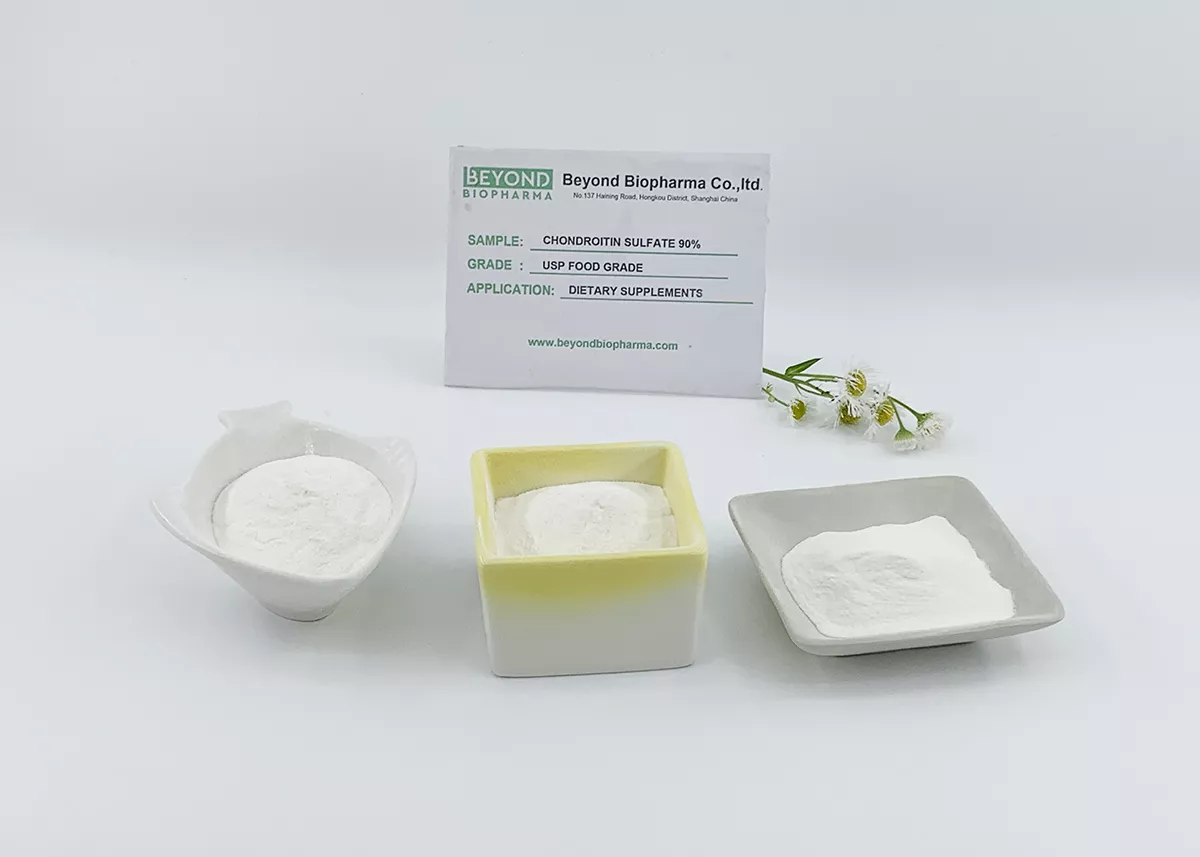
The nutraceutical industry demands gelatin that balances high performance with consumer-friendly attributes like clarity, odorlessness, and rapid dissolution. Unlike pharmaceutical applications, nutraceutical products often contain complex lipid-based or hydrophilic fills, requiring specific gelatin bloom strengths and viscosity ranges to prevent migration or interaction.
A common challenge is ensuring stability for supplements containing oils or hygroscopic ingredients. The gelatin shell must act as an effective barrier to prevent oxidation and maintain potency over the product's lifetime. This necessitates rigorous testing under accelerated stability conditions to validate the chosen gelatin grade.
Understanding these application-specific needs allows brands to differentiate their products. A well-specified gelatin contributes to a superior consumer experience—easy-to-swallow capsules that reliably deliver the promised health benefits without off-tastes or disintegration issues.
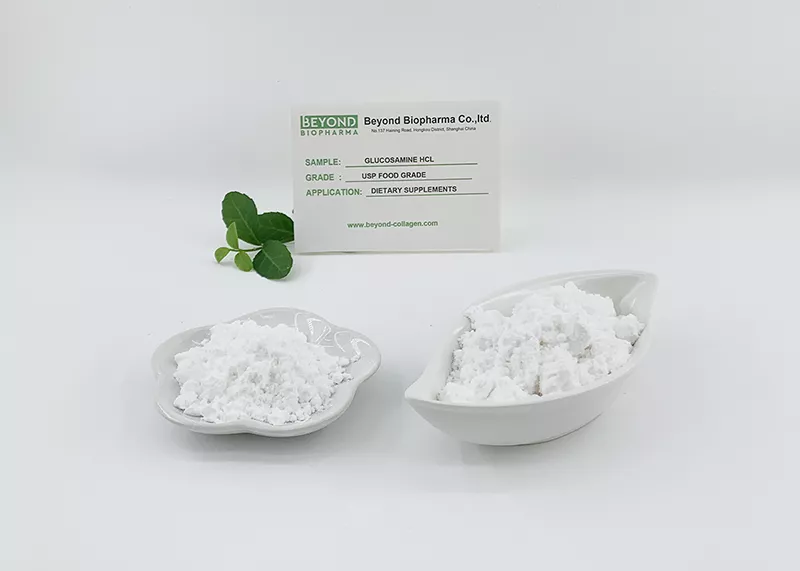
Regulatory landscapes like FDA 21 CFR, EU GMP, and ICH Q7 mandate strict control over excipients. For gelatin, this starts with raw material origin—requiring BSE/TSE-free certifications and traceability back to audited farms. The manufacturing process itself must be validated to remove impurities and control endotoxin levels, especially for parenteral or implantable applications.
Beyond documentation, practical compliance involves consistent quality. Batch-to-batch variability in parameters like particle size can disrupt automated encapsulation equipment, leading to downtime and waste. A supplier with a robust Quality by Design (QbD) approach and a comprehensive Certificate of Analysis (CoA) for every batch mitigates these production risks.
This level of scrutiny is not merely about avoiding regulatory citations; it's a foundational element of product safety. It ensures that every capsule reaching a patient or consumer performs identically, upholding the integrity of the therapeutic or nutritional promise.
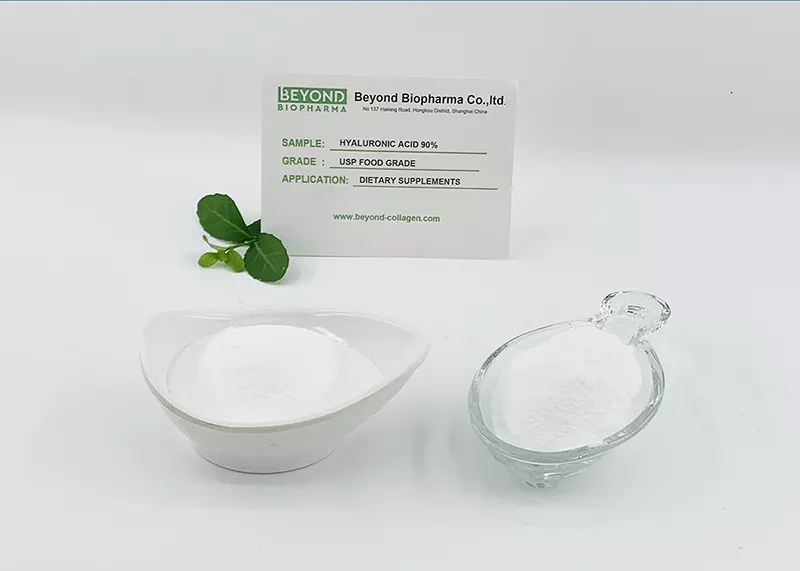
| Parameter | Standard Range (Type B) | Test Method | Significance for Formulation |
|---|---|---|---|
| Bloom Strength | 150 - 250 Bloom | USP <1081> | Determines gel firmness and capsule shell mechanical strength. |
| Viscosity (6.67% w/v) | 3.5 - 5.5 mPa·s | USP <911> | Affects flow during dip-coating for softgels and solution handling. |
| Particle Size | 80% min. passing 40 mesh | Sieve Analysis | Critical for uniform dissolution during gelatin solution preparation. |
| Microbial Limits | Total Plate Count < 1000 cfu/g | USP <61>, <62> | Ensures bioburden control for non-sterile dosage forms. |
| Endotoxins (if required) | < 0.25 EU/mg | USP <85> | Essential for gelatin used in parenteral or implantable device applications. |
| Heavy Metals (as Pb) | < 30 ppm | USP <231> | Meets safety requirements for chronic administration. |

+86 18657345785
NO.137 Haining Road, Hongkou District, Shanghai China


 English EN
 中国 CN
中国 CN