
EN
The functional beverage market is undergoing a significant shift. Traditional collagen dosages of 2.5g per serving are rapidly being replaced by high-concentration formulations ranging from 5g to 10g per serving. While this satisfies consumer demand for efficacy, it presents R&D teams with a "stability trifecta" of obstacles: thermal-induced off-flavors, poor cold-water dispersion, and long-term sedimentation.
At Beyond Biopharma, we have addressed these bottlenecks through a multi-dimensional approach involving advanced enzymatic engineering, adsorption purification, and precise dosage form design.
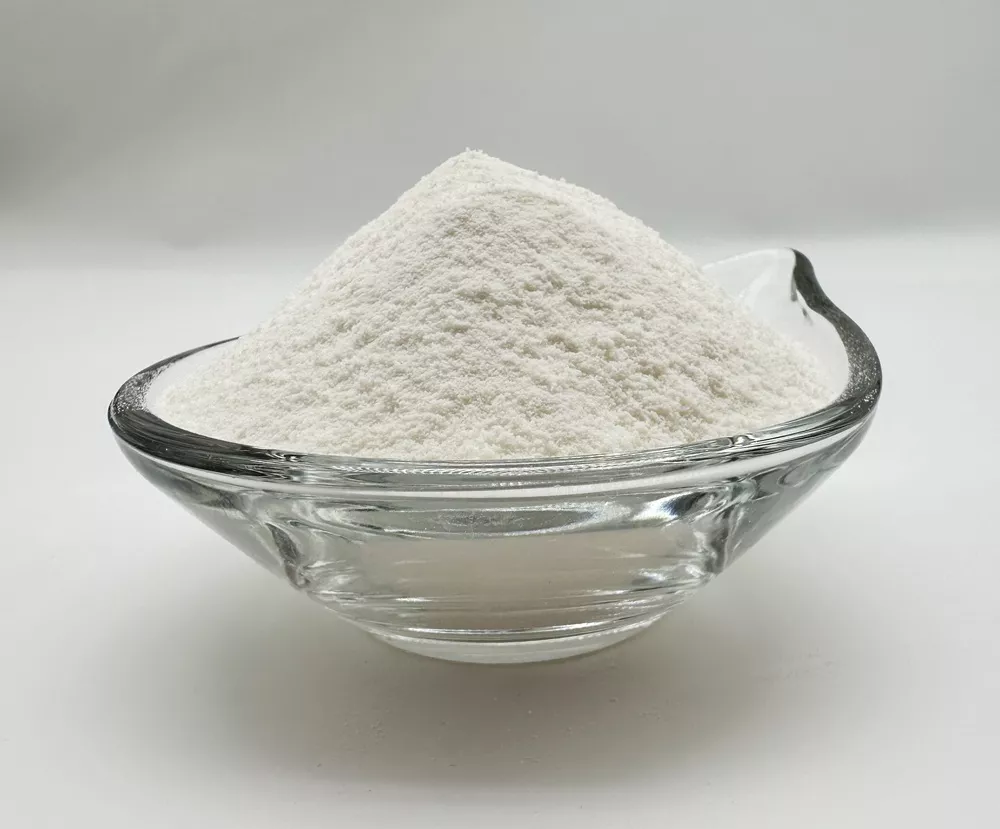
Increasing collagen concentration in Ready-to-Drink (RTD) products triggers complex physicochemical reactions. Understanding these mechanisms is the first step toward a stable product:
Technical Challenge | Mechanism | Impact on Production |
Thermal Fishy Odor | Free amino acids (Methionine/Cysteine) generate methanethiol/DMS at 121°C sterilization. | Requires heavy masking; increases flavor incompatibility. |
Slow Cold-Water Dissolution | Surface hydrophobic groups cause clumping ("fish eyes"). | Requires pre-hydration or heating; prevents cold-filling. |
Long-Term Sedimentation | Peptides <500 Da form insoluble complexes with polyphenols or metal ions. | Shortens shelf life; increases return rates. |
.webp)
The stability of a collagen beverage is dictated by its molecular weight (MW) distribution. Beyond Biopharma utilizes a Multistage Immobilized Enzymatic Membrane Reactor (EMR) to maintain a strict "Molecular Window" of 1000–3000 Da.
Why the 1000–3000 Da Window?
● Preventing Bitterness: By keeping the <500 Da fraction at ≤ 5%, we eliminate the bitter peptides and reduce the risk of ion complexation that leads to sediment.
● Optimizing Solubility: Maintaining 68–75% of the peptides in the 1000–3000 Da range ensures sufficient hydrophilic groups remain exposed, facilitating high-concentration solubility.
For premium RTD brands, "neutrality" is the ultimate goal. Our proprietary two-step adsorption process ensures the collagen does not interfere with the intended flavor profile:
1. Powdered Activated Carbon Adsorption: Dosage of 0.5–1.0% w/w at 45°C to remove primary odor precursors.
2. Mixed-Bed Ion Exchange: Reduces free amino nitrogen by ≥40%, significantly lowering the risk of Maillard reactions and thermal odors.
The Result: A 10% w/v aqueous solution achieves a light transmittance of ≥ 92% and a Total Volatile Basic Nitrogen (TVBN) level of ≤ 8 mg/100g, making it virtually indistinguishable from pure water in sensory triangle tests.
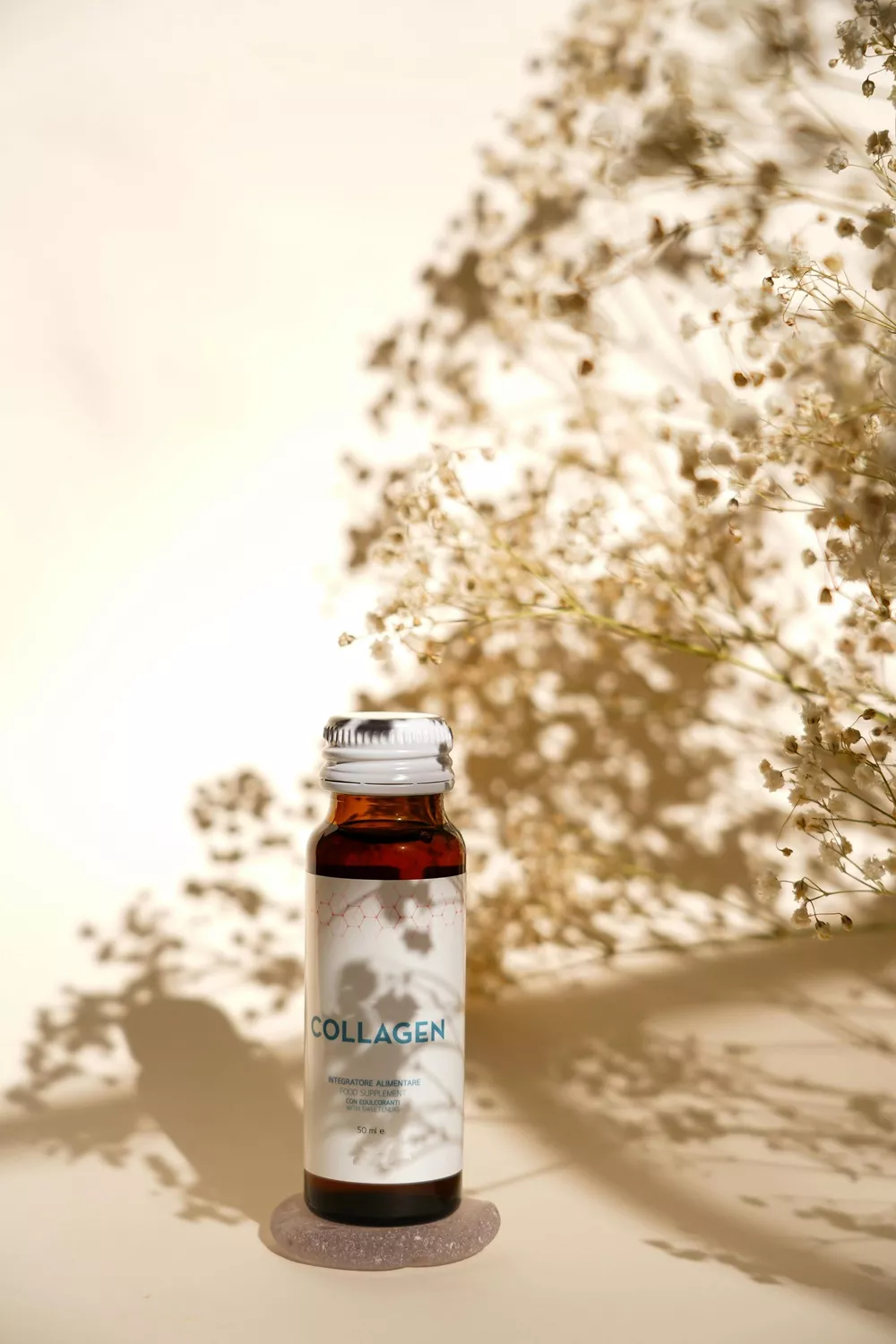
Beyond Biopharma offers tailored specifications based on the final delivery format to ensure seamless integration into your production line:
● RTD Bottled Specifications: Optimized for a D90 particle size of ≤ 150 μm, achieving a wetting time of ≤ 30 seconds at 25°C. This ensures high-speed production without clogging filters or requiring excessive mixing.
● Solid Drink Sachet Specifications: Targeted at ≤ 75 μm for instant dispersion, with a caking rate of < 1% to maintain flowability throughout the shelf life.
We don't just supply raw materials; we provide the data to back your R&D. Beyond Biopharma offers B2B clients standardized application testing protocols:
● Simulated System Testing: We test collagen performance across pH ranges of 2.5–7.0 and sugar levels up to 12°Brix.
● Accelerated Stability: 4-week trials at 50°C to predict shelf-life behavior.
● Thermal Tolerance Profiling: Measurement of molecular weight migration and GC-MS off-flavor analysis post-121°C sterilization.
Conclusion: Partner with a Technical Leader
Commercial success in the collagen beverage market depends on two variables: Physical Stability and Flavor Neutrality. Through precision enzymatic engineering and rigorous purification, Beyond Biopharma delivers an ingredient that remains crystal clear and taste-neutral, even at 10% concentration


Tel:+86 21 65010906
Cell/Whatsapp/Wechat:
+86 13482884055
+86 18657345785
Email: sales@beyondbiopharma.com





 English EN


